
What Does a 3-Gallon Plant Actually Mean? A Simple Guide to Nursery Pot Sizes
If you’ve ever visited a garden center and wondered, “What exactly is a 3-gallon plant?” you’re not alone.
One of the most common questions we hear at the nursery is about plant sizes. Customers see labels like quart, 1-gallon, 3-gallon, and even 15-gallon, but those numbers don’t always tell the whole story.
Does a larger gallon size mean a bigger plant? How much bigger? Is it worth spending more for a larger container? And how much digging will be involved once you get it home?
Let’s break down nursery pot sizes so you know exactly what to expect before you load up your cart- or your trunk.
First Things First: What Does “Gallon Size” Mean?
Contrary to what many people think, gallon sizes refer to the container size, not the exact size of the plant itself.
A 3-gallon shrub from one variety may be significantly larger than another 3-gallon shrub. Growth habits, plant age, and species all play a role.
However, gallon sizes do give you a reliable idea of:
- Root system size
- Overall plant maturity
- Approximate planting hole dimensions
- Weight and ease of transport
- Cost and landscape impact
Think of gallon sizes as a helpful guideline rather than an exact measurement.
Quart Size Plants: The Budget-Friendly Starter
Quart-sized plants are the youngest members of the nursery family.
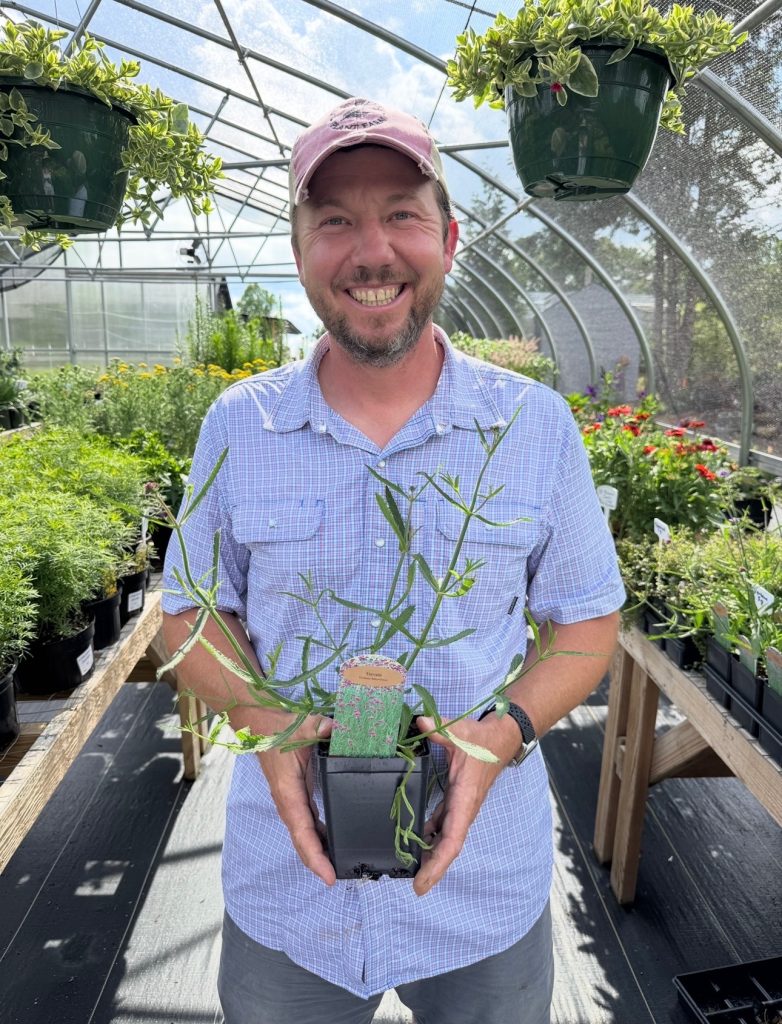
What They Look Like
- Usually 4-6 inches tall for annuals, perennials, and groundcovers
- Pot is about the size of a large yogurt container
Best For
- Annual flowers
- Perennials
- Herbs
- Groundcovers
- Filling large beds affordably
Hole Size
- 6-8 inches wide
- About 6 inches deep
Why Choose a Quart?
Quart-sized plants are perfect for gardeners who don’t mind waiting a little longer for results. They’re inexpensive, easy to transport, and ideal when you need lots of plants for a large area.
1-Gallon Plants: The Homeowner Favorite
For many landscapes, the 1-gallon size is the sweet spot for herbaceous perennials and many grasses.
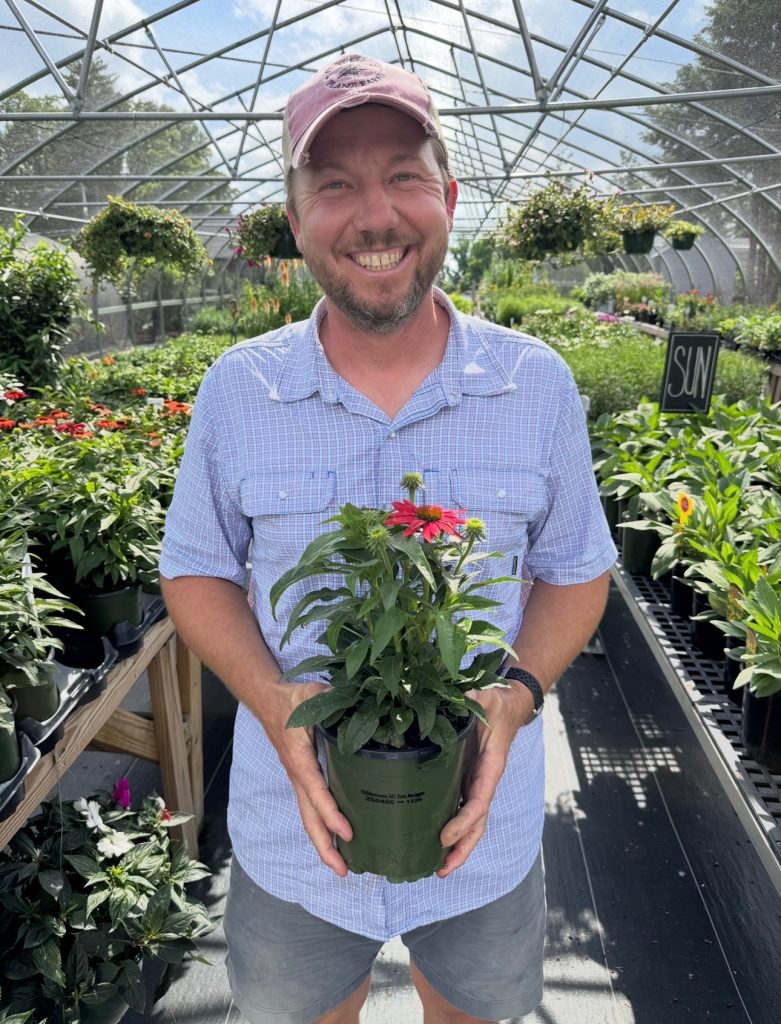
What They Look Like
- Typically 12-24 inches tall
- Pot is about 6-7 inches across
Best For
- Perennial flowers
- Ornamental grasses
- Small shrubs
- Foundation plantings
Hole Size
- About 12 inches wide
- 8-10 inches deep
Why Choose a 1-Gallon?
These plants are large enough to make an immediate visual impact while still being affordable and easy to plant.
Many gardeners find that 1-gallon plants establish quickly and often catch up to larger plants within a few growing seasons.
3-Gallon Plants: The Landscaper Choice
Want your landscape to look established sooner? This is where many homeowners and professionals land. Call this the landscape sweet spot, particularly for shrubs.
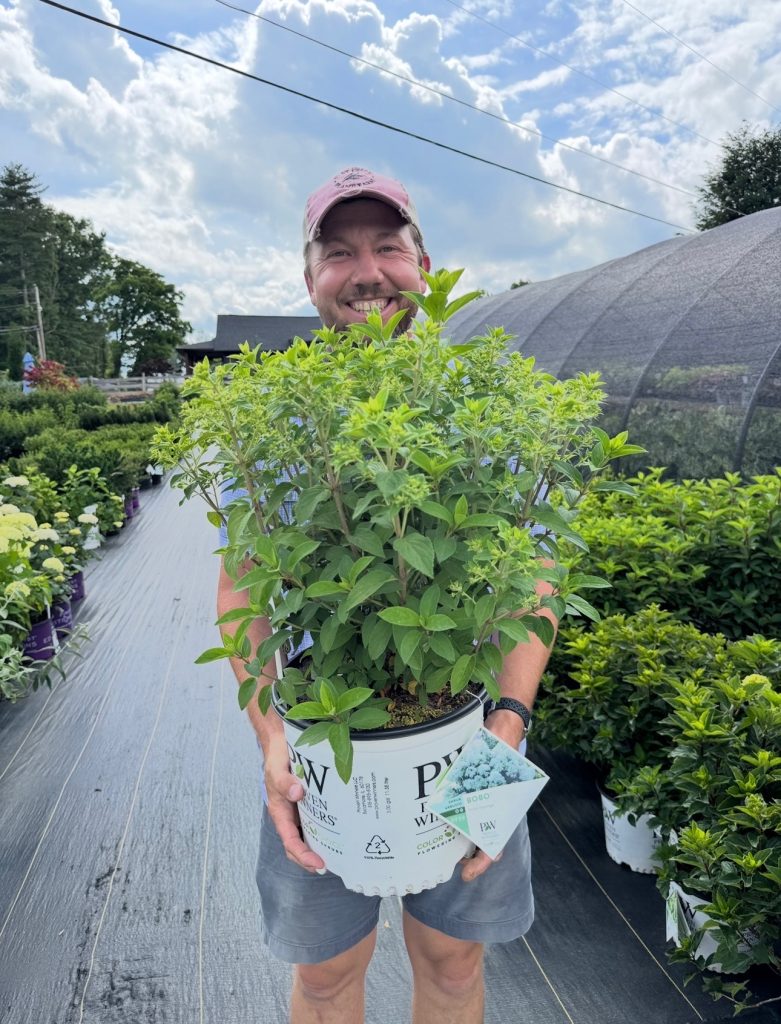
What They Look Like
- Often 2-4 feet tall
- Fuller branching and more mature growth
- Pot is about 10 inches across
Best For
- Foundation shrubs
- Privacy hedges
- Accent plantings
- Landscape focal points
Hole Size
- 18-24 inches wide
- About 12 inches deep
Why Choose a 3-Gallon?
A 3-gallon plant provides a noticeable landscape presence right away without requiring the budget- or the muscle- needed for larger sizes.
It’s often the best balance between cost and instant curb appeal.
7-Gallon Plants: Big Impact, Bigger Hole
This is the size where customers often ask, “Will this fit in my car?”
Usually, yes.
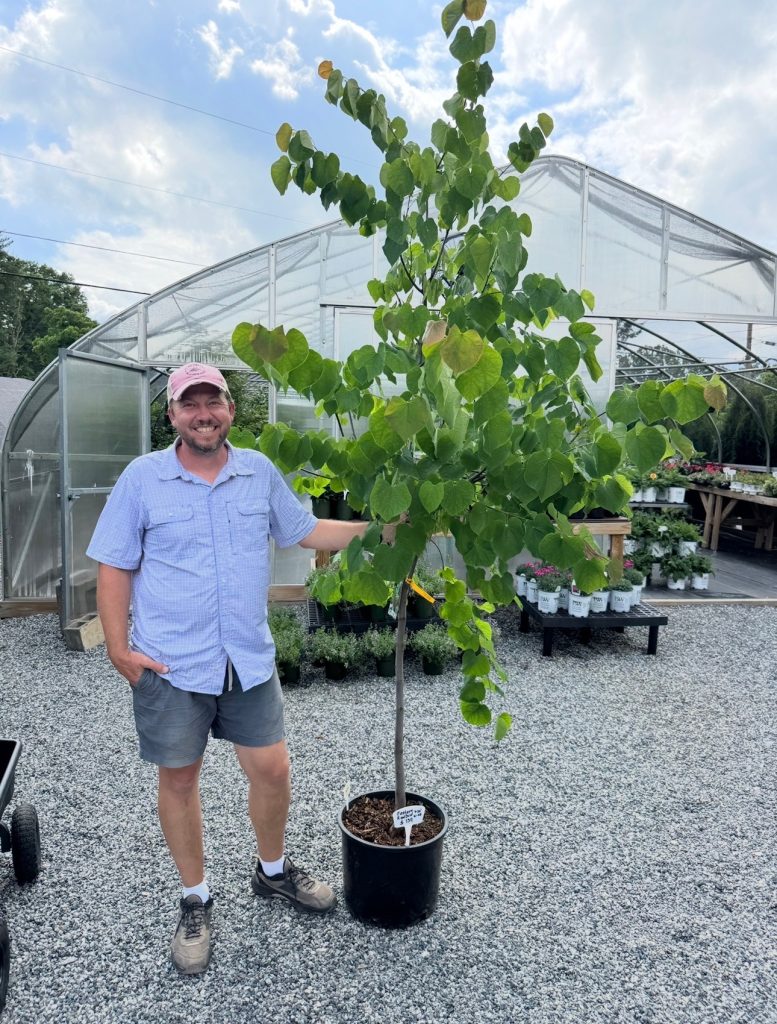
What They Look Like
- Typically 3-6 feet or taller
- Well-developed shape and structure
- Pot is approximately 14 inches across
Best For
- Larger shrubs
- Ornamental trees
- Screening plants
- Mature landscape designs
Hole Size
- Around 30 inches wide
- 16-18 inches deep
Why Choose a 7-Gallon?
These plants create an established look almost immediately and are excellent for homeowners who don’t want to wait years for their landscape to fill in. They can still be planted comfortably with one person most of the time.
Just remember: they’re considerably heavier than smaller sizes, so bring a friend if you’re planting several.
10-15 Gallon Plants: The Statement Makers
These are the plants that make a landscape look finished on day one. These are still doable with one person but will require a fairly high level of muscle and fitness, particularly with the 15 gallon.
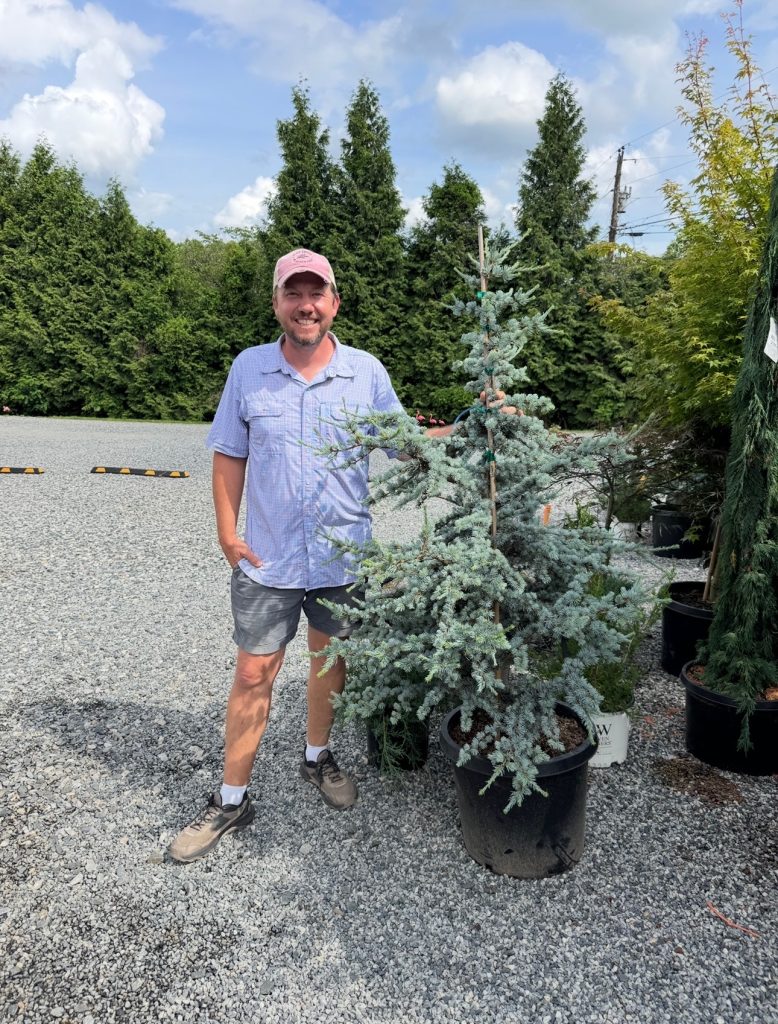
What They Look Like
- Often 5-8 feet tall or more
- Well-developed canopy and branching
- Pot diameter of roughly 16-20 inches
Best For
- Shade trees
- Specimen plants
- Instant privacy
- Major landscape upgrades
Hole Size
- Approximately 3 feet wide
- 18-24 inches deep
Why Choose a 10-15 Gallon?
If you’re looking for maximum impact right away, larger container sizes deliver. Some trees with bigger root systems and specimen trees from out west are much easier to find in this pot size.
These plants can transform a landscape overnight, but they also require more effort to transport, plant, and water during establishment.
The Most Common Planting Mistake
No matter what size plant you choose, one rule remains the same:
Dig wider, not deeper.
Many gardeners accidentally plant too deep, which can lead to poor growth and root problems.
Instead:
- Dig the hole 2–3 times wider than the root ball
- Make the hole only as deep as the root ball itself
- Keep the top of the root ball level with the surrounding soil
Plants prefer to stay at the same soil level they had in the nursery container.
Is Bigger Always Better?
Not necessarily.
Smaller Plants Often:
- Cost less
- Establish roots faster
- Are easier to transport
- Require less digging
- Catch up surprisingly quickly
Larger Plants Offer:
- Immediate landscape impact
- Instant privacy
- More mature appearance
- Faster visual results
The best choice depends on your budget, timeline, and how much patience you’re willing to invest.
Final Thoughts
Whether you’re planting a tiny quart perennial or a 15-gallon shade tree, understanding nursery pot sizes can help you make smarter purchasing decisions and set realistic expectations.
The next time you see a plant labeled “3 gallon,” you’ll know it isn’t just a number- it’s a clue to the plant’s maturity, root system, planting requirements, and landscape impact.
And if you’re still unsure which size is right for your project, stop by the nursery. We’re always happy to help you find the perfect plant- and the right-sized shovel.