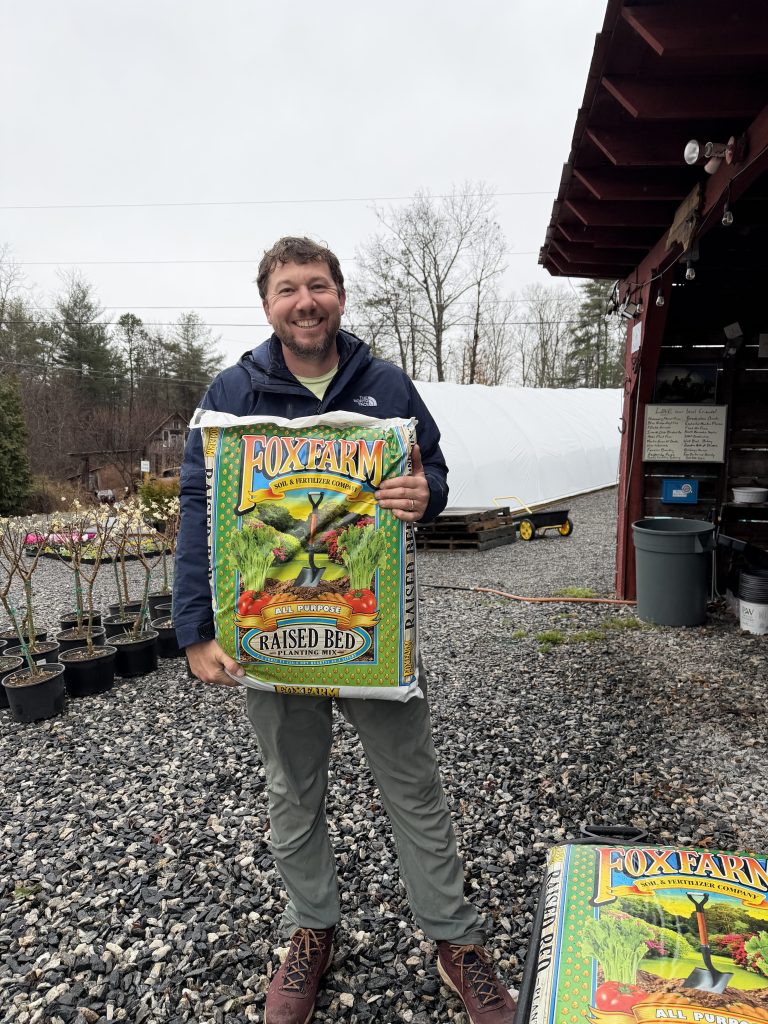
FoxFarm Raised Bed Soil: Everything You Need to Know Before You Plant
The premium blend engineered to make your raised bed garden thrive from the very first seed.
If you’ve spent any time in the raised bed gardening world, you’ve likely heard the name FoxFarm whispered with reverence among serious growers. Founded in Humboldt County, California — a region legendary for its rich growing culture — FoxFarm has built a devoted following by crafting soils and fertilizers that genuinely deliver results.
Their Raised Bed & Potting Mix (also sold as Ocean Forest® Raised Bed Mix and their dedicated raised bed blend) is one of their flagship products, designed specifically for the unique demands of elevated garden beds. Let’s dig into exactly what’s in it, why it works, and how to get the most out of it.
“FoxFarm blends are hand-crafted with the finest ingredients, carefully selected to give your plants a powerful, fertile foundation from the moment you plant.”
What Is FoxFarm Raised Bed Soil?
FoxFarm’s raised bed soil is a premium, ready-to-use growing medium formulated to provide optimal aeration, drainage, and nutrition for vegetables, herbs, fruits, and flowers growing in raised beds. Unlike generic potting soils, FoxFarm’s blend is built with a complex mix of organic ingredients that mimic the richness of the best garden soils found in nature.
The product is designed to be used straight from the bag — no amendments required to get started. It comes with an adjusted pH and a built-in buffering system that supports consistent, long-term nutrient availability.
What’s Inside the Bag? Key Ingredients
FoxFarm is unusually transparent about what goes into their soils. Here’s a breakdown of the core ingredients that make this mix stand out:
Composted Forest Humus
Builds rich organic matter and promotes microbial life
Crab Meal & Shrimp Meal
Natural sources of nitrogen and chitin for root zone health
Aged Forest Products
Improves soil structure and water retention
Earthworm Castings
Naturally rich in plant-available nutrients and beneficial microbes
Pacific Northwest Sea-Going Fish Emulsion
Slow-release nitrogen for sustained feeding
Bat Guano
High-phosphorus organic fertilizer that supports flowering & fruiting
Perlite & Pumice
Creates air pockets for root oxygenation and prevents compaction
Sandy Loam & Sphagnum Peat Moss
The foundation for ideal drainage and moisture balance
This ingredient list reads like a recipe crafted by a master gardener — and that’s intentional. FoxFarm blends these components by hand in small batches to ensure consistency across every bag.
pH: Dialed In for Success
One of the most critical — and most overlooked — aspects of any soil is its pH level. Soil pH determines whether your plants can actually access the nutrients in the soil, even if they’re present in abundance.
Adjusted pH Range
For Vegetables & Herbs
To Use, No Amendments
For Long-Term Stability
FoxFarm adjusts the pH of their raised bed soil to fall between 6.3 and 6.8 — the sweet spot for most vegetables, fruits, and herbs. This range maximizes the availability of key nutrients including nitrogen, phosphorus, potassium, calcium, and magnesium.
Why Raised Beds Need a Different Kind of Soil
Raised beds are not just ground-level gardens with walls — they function quite differently. The soil in a raised bed is more exposed to temperature swings, dries out faster, and is subject to more frequent watering and drainage cycles. Over time, regular garden soil or even standard potting mix will compact, lose structure, and become nutrient-depleted far faster in a raised bed environment.
FoxFarm’s raised bed blend addresses this directly by:
- Using perlite and pumice to maintain aeration as the soil settles over seasons
- Including slow-release organic nutrients that don’t flush out after a few waterings
- Building in moisture-holding components like peat moss to counteract the quicker drainage of raised beds
- Providing a biologically active growing environment thanks to earthworm castings and fish emulsion
What Can You Grow in FoxFarm Raised Bed Soil?
The short answer: almost anything. FoxFarm designed this blend to be a truly versatile growing medium. It performs particularly well for:
- Tomatoes, peppers, and cucumbers (heavy feeders that benefit from nutrient-rich media)
- Leafy greens like lettuce, spinach, kale, and Swiss chard
- Root vegetables including carrots, beets, and radishes
- Fresh culinary herbs such as basil, cilantro, and parsley
- Strawberries and compact berry varieties
- Annual flowers like zinnias, marigolds, and nasturtiums
The proof is in the harvest — growers consistently report faster germination, stronger root development, and more abundant yields when using FoxFarm’s raised bed mix compared to generic soils.
Do You Need to Add Fertilizer?
FoxFarm includes enough nutrients in their raised bed soil to support plants for approximately the first 30–60 days of growth. After that, especially for heavy-feeding crops like tomatoes or squash, you’ll want to begin a regular feeding program.
💡 Pro Tip: FoxFarm recommends starting supplemental feeding around week 4–6 after transplanting. We recommend just using Ozmocote slow release fertilizer out the gate for heavy feeding vegetables or if you are mixing FoxFarm soil with native soil or topsoil.
Tips for Getting the Best Results
- Don’t compress the soil when filling your raised bed — allow it to settle naturally for best aeration
- Water thoroughly on first use to activate the organic components and encourage microbial activity
- Top-dress with compost each season to replenish organic matter as it breaks down
- Monitor pH annually — over time, heavy watering can slowly shift pH; a simple test kit keeps you on track
- Blend with native soil at a 70/30 ratio (FoxFarm/native) if you’re filling a very large raised bed to keep costs manageable without sacrificing performance. If you have heavy clay, you can try topsoil, soil conditioner, or a mixture of the three. Just keep it well draining; water should not pool on the surface.
- Refresh the top 4–6 inches each spring with fresh FoxFarm mix or more compost to restore structure and nutrients
The Bottom Line
FoxFarm Raised Bed Soil earns its premium reputation through a combination of thoughtfully sourced organic ingredients, pH precision, and a deep understanding of how raised bed environments work. Whether you’re a first-time raised bed gardener or a seasoned grower looking to level up your harvests, this is a soil blend that delivers from the first planting to the last frost.
When it comes to soil mixes, you get what you pay for. There is an old saying in horticulture: 90 cents of every dollar you spend should go into the soil. The investment is higher than a bag of basic garden soil — but the results speak for themselves in the form of healthier plants, more abundant harvests, and a growing environment that actually improves with each season when properly maintained.
That said, most of us aren’t made of money. We recommend FoxFarm soils for those special beds that you want to baby. The fancy herb or vegetable garden you built for your porch, or that one spot in your yard that gets enough sun. Most other bagged mixes have sand or other fillers. Sometimes it’s worth it to get the best, and FoxFarm delivers.
Tags: FoxFarm, raised bed soil, vegetable gardening, organic gardening, raised bed gardening, garden soil, container gardening, FoxFarm Ocean Forest